
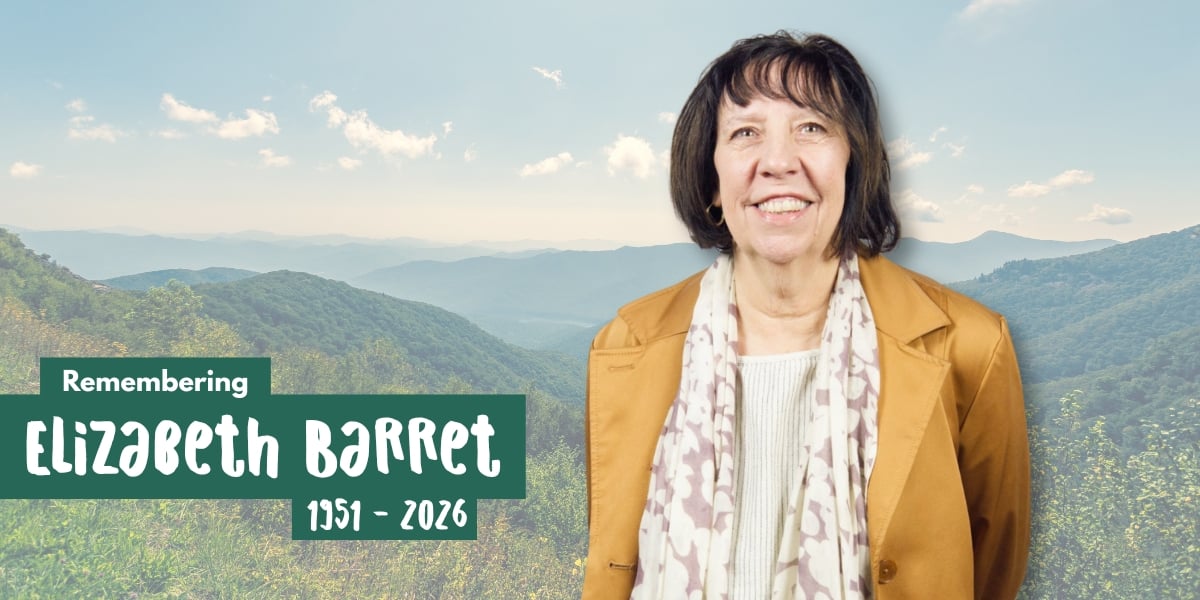
Earlier this month, Appalshop, Appalachia, and the filmmaking world faced a tremendous loss. On February 3, 2026, our beloved friend and colleague Elizabeth Barret passed away.
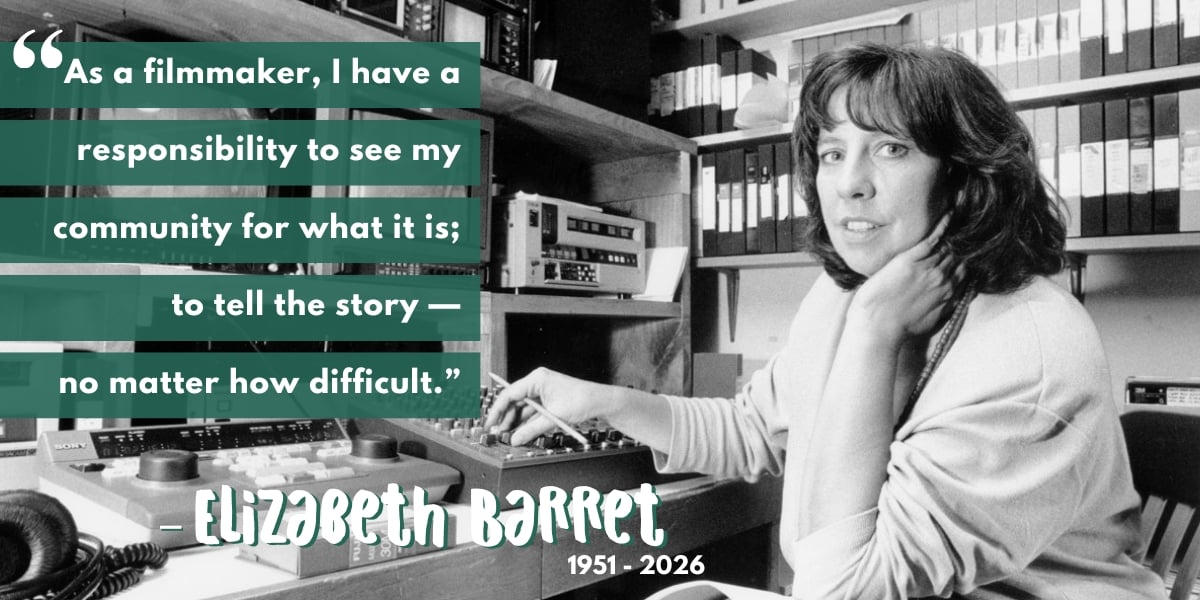
Elizabeth first came to work at Appalshop—then known as the Appalachian Film Workshop—one day after graduating from the University of Kentucky in Lexington, KY. She would go on to produce some of Appalshop's and Appalachia's most renowned documentary films, including Coalmining Women, Nature's Way, Quilting Women, and Long Journey Home.
“I first met Elizabeth Barret when we were both novice filmmakers at Appalshop,” recalls Mimi Pickering, fellow filmmaker and longtime friend to Elizabeth who worked alongside her for decades up until Elizabeth’s quiet retirement a few years ago. “Elizabeth was always a keen observer who was attuned to significant cultural, social, or economic shifts in the region.”
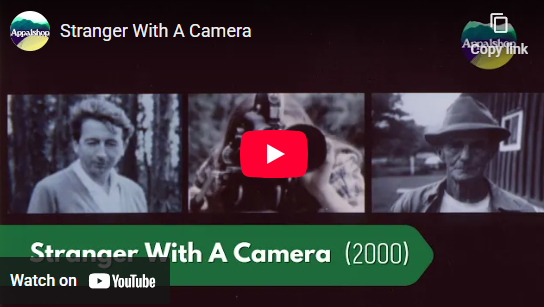
Elizabeth’s—and perhaps Appalshop’s—most pivotal work, by far, is 2000's Stranger With A Camera. The film tells the story of the 1967 murder of Canadian filmmaker Hugh O'Connor by eastern Kentuckian Hobart Ison, delving deep to ask why this event happened and intertwining her own family history and career into the narrative. Stranger With A Camera has gone on to inspire and inform generations of filmmakers and media producers, exploring the ethics and morals of storytelling, documentation, and the power that comes with wielding a camera.
Stranger With A Camera premiered at the 2000 Sundance Film Festival in Park City, Utah, later appearing on PBS’s P.O.V. program and screening at numerous festivals and conventions, such as the Guggenheim Museum in both New York and Bilbao, Spain; the Yerba Buena Center for the Arts in San Francisco; the Museum of Modern Art in New York, among others. In 2002, The American Historical Association presented the John E. O’Connor Award to Stranger with a Camera, recognizing the film's outstanding interpretations of history.
Elizabeth achieved numerous honors throughout her career, including acceptance into several prestigious fellowships such as the Guggenheim Fellowship, the Rockefeller Foundation Film/Video/Multimedia Fellowship, the Kentucky Arts Council Fellowship in Media Arts, and the NEA Southeast Media Fellowship.
In honor of Elizabeth and her acclaimed film work, Stranger With A Camera is now available to watch for free on our YouTube page.
Elizabeth was also the founding director of the Appalshop Archive, formally established in 2002 to preserve and make accessible the creative works and history of both Appalshop and the wider Appalachian region. Along with organizing, cataloging, and digitizing Appalshop-made media, she could often be found searching high and low for other collections that might need preserving, largely those still in the hands of community members who did not readily have access to archival equipment and best practices.
“Liz taught me what a community archive is - a model that emphasizes the ongoing dialogue and sharing between archives and the communities that we document and preserve,” stated Chad Hunter, the current Director of the Appalshop Archive, who worked alongside Elizabeth as she dreamed up this new venture. “I learned from her the deep value in listening, and that people's stories often bring unexpected, exceptional meaning to what's on the shelves in our vault.”
At the Shop, Elizabeth would also begin her family—meeting her husband, fellow filmmaker Herb E Smith here and having two children together, Ada and Evan.
Honoring Elizabeth's Legacy
It is not only Appalshop who is grieving this great loss. People across Kentucky, Appalachia, the US - even the world are honoring Elizabeth’s life and impact.
NPR-affiliated WEKU and the Lexington-Herald Leader both produced stories about Elizabeth, her life, and her work. Our friends at Studio Two Three in Richmond, VA organized a night of remembrance with a free showing of Stranger with a Camera, popcorn, and a special whisky toast to “this absolute Appalachian icon and queen of documentary filmmaking.”
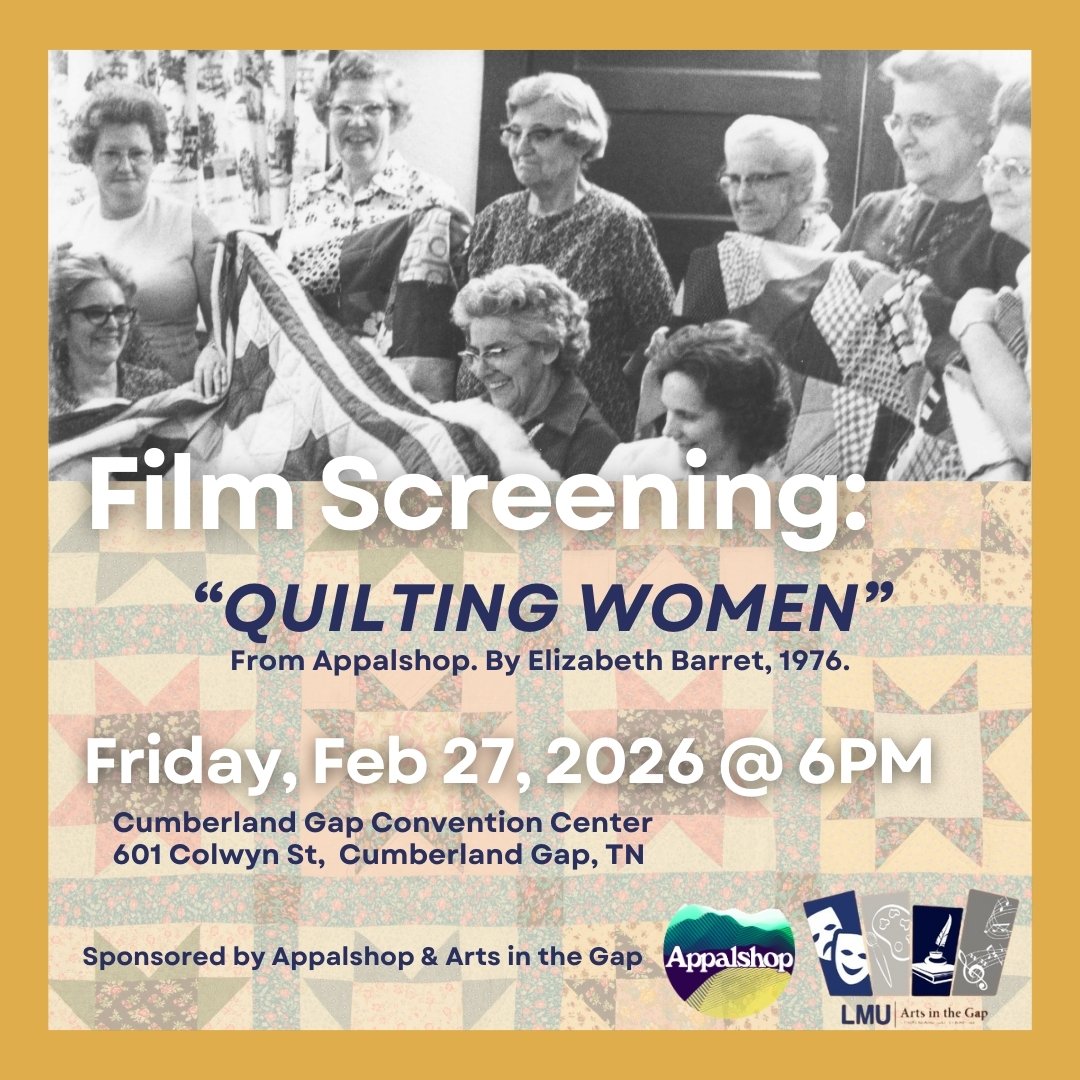
On February 27, 2026, we are hosting a community screening of Elizabeth’s 1976 film Quilting Women, presented in partnership with Arts in the Gap at Lincoln Memorial University. The screening will begin at 6:00 PM at the Cumberland Gap Convention Center, located at 601 Colwyn Street, Cumberland Gap, TN.
We thank those who have honored the family's wishes to donate to the Appalshop Archive in lieu of flowers, and thank Elizabeth’s family for such generosity. This support will help us continue the archival work that Elizabeth began and so loved—work that we are deeply grateful to carry on in her name.
“She believed people should tell their own stories, in their own words, on their own terms. That belief lives at the heart of Appalshop’s Archive and in everything we continue to do,” said Tiffany Sturdivant, Executive Director of Appalshop. “Liz’s work is a constant reminder of why we do this work; to honor memory, protect community history, and uplift voices too often left unheard.”
Rest easy, Liz. We love you and we miss you.
Black History Month: "Pictureman" Mullins
February is Black History Month and, in celebration, we have been sharing newly preserved photographs from The William R. “Pictureman” Mullins Collection, proudly owned and cared for by our Archive department.
This prestigious photo collection includes 3,600 negatives spanning the first half of the twentieth century. Mullins captured portraits and everyday life in Appalachia, including the place where he settled: the coal town of Jenkins, Kentucky. Neither he nor his camera discriminated based on race, with many of his photographs featuring people and families of color as their subjects.
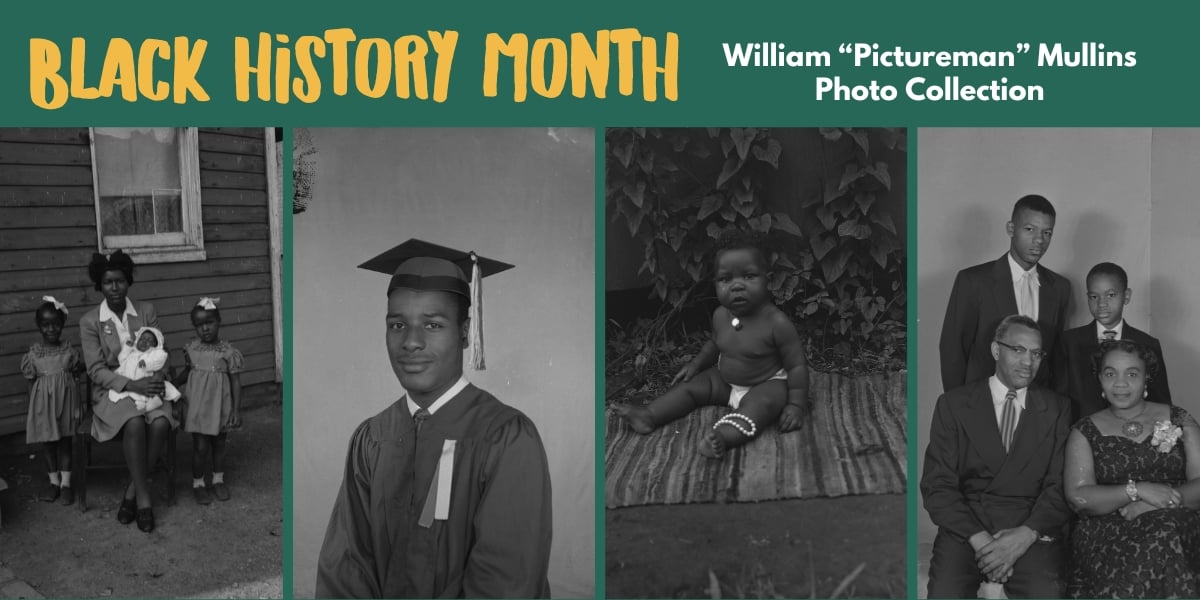
It was actually Elizabeth Barret who first helped these photographs find a permanent home in our Archive. When a woman came into our office one day many years ago with a bushel basket full of hundreds of photo negatives, Elizabeth immediately understood their value and worth—not monetarily, but historically and culturally. Since then, this collection has been a treasured part of our Archive, and we are thrilled to be sharing new images and their stories with you all.
These images remind us that Black history is Appalachian history. It has always been present, and it has always mattered. From families who built communities, worked in the coalfields, organized for justice, and created rich cultural traditions, to those who continue shaping the region today, Black Appalachians have long been foundational to our shared story. While we pause intentionally during Black History Month, this history reaches far beyond a single month—it is woven into the fabric of these mountains and into who we are.
Seedtime on the Cumberland 2026
Did you know 2026 will mark our 40th annual Seedtime on the Cumberland festival? We hope you'll join us in downtown Whitesburg, KY June 5-7th for a weekend of music, art, food, and fun! Stay tuned for more information and updates, to be shared on our social media platforms and news page!